What is PDA — and why do words matter?
PDA is most commonly known as Pathological Demand Avoidance. Many PDAers and advocates, including me, prefer the term Persistent Drive for Autonomy. It centers the strong need for autonomy behind the PDA experience, instead of calling the person pathological.
PDA is commonly understood as a profile seen in some autistic people. Everyday demands, expectations, uncertainty, or a loss of control can trigger an intense nervous-system response.
For many PDAers, demand avoidance is less "I won’t" and more "I can’t when my nervous system feels pressured." Even things a person wants or needs to do can become inaccessible once they feel like a demand.
On this site, I mostly use PDA and Persistent Drive for Autonomy. I also use Pathological Demand Avoidance when it helps with clinical communication, research, or finding established PDA resources.
Our understanding of PDA is still evolving. PDA is not currently a standalone diagnosis in the DSM-5-TR or ICD-11, and there is ongoing discussion about terminology, mechanisms, and assessment. What matters clinically is recognizing the pattern, understanding what may be driving distress, and choosing support that reduces shame and unnecessary threat.
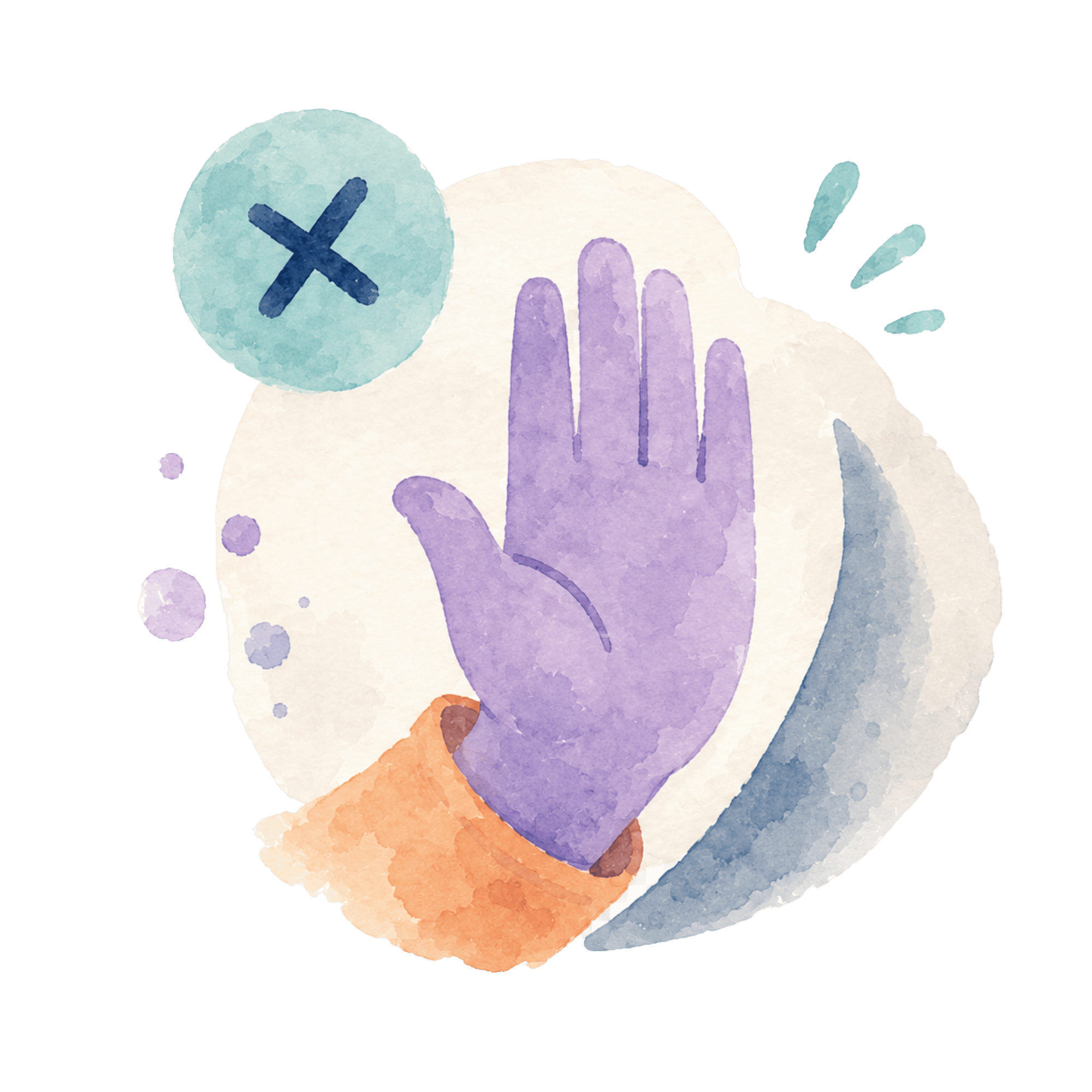
Demand sensitivity
Everyday requests, expectations, or even activities a child enjoys can suddenly feel overwhelming, triggering an intense need to resist or escape.

Social strategies
Some children use negotiation, humor, distraction, or role-play to ease the pressure of a demand — creative strategies for managing an overwhelming feeling, not manipulation.

Nervous-system responses
Resistance is rooted in anxiety and a nervous system on high alert — not manipulation, laziness, or intentional defiance.
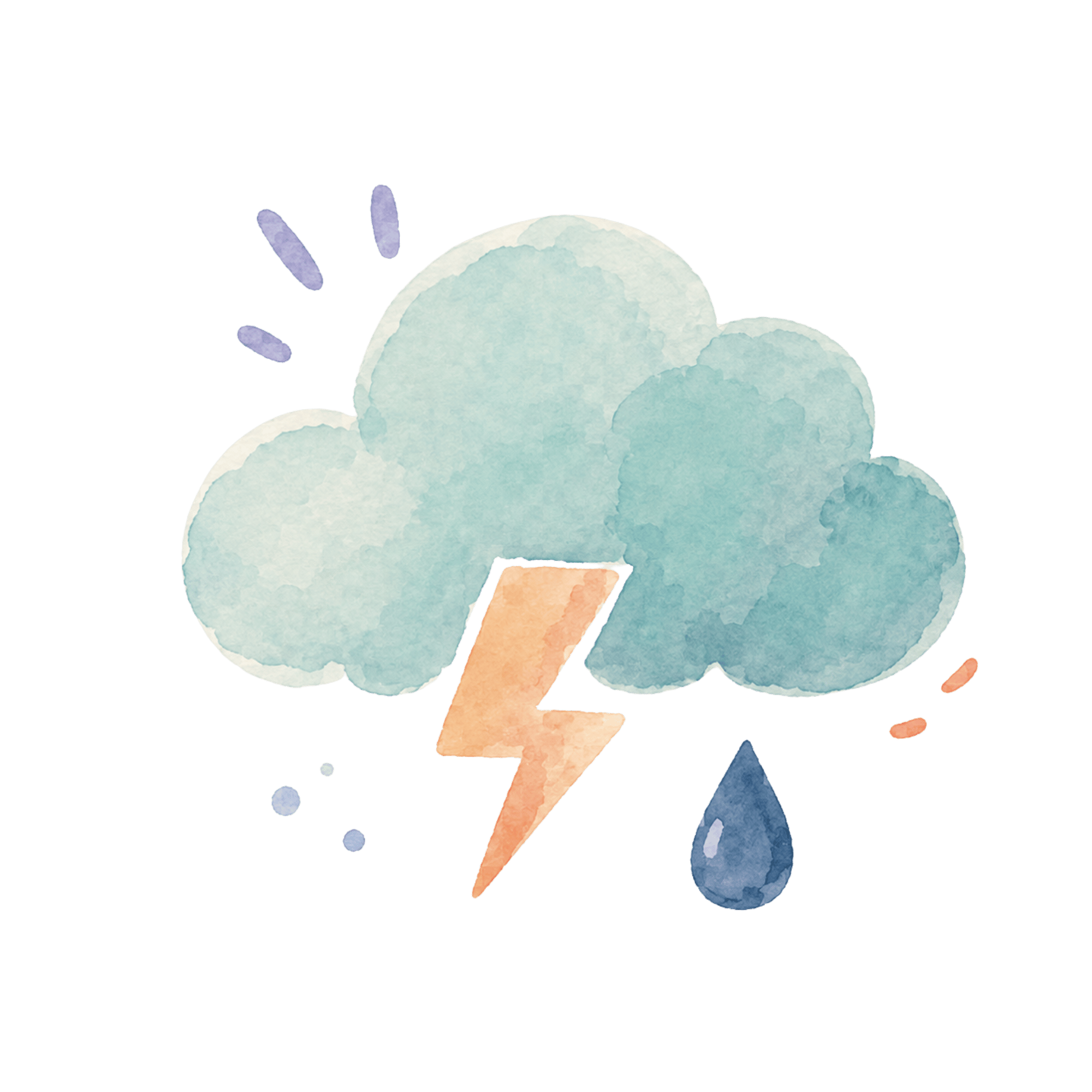
Variable capacity
The ability to cope can change a lot from hour to hour or day to day. It depends on stress, sensory load, and how safe a demand feels in the moment.

Autonomy and control
A strong need to feel in control of one’s own choices, timing, and body. Losing that control can feel threatening, not just frustrating.
Context differences
A child may look very different in different places. They may hold it together at school, then fall apart at home, where they feel safe enough to let it out.
Important note: PDA is often confused with oppositional defiance or intentional misbehavior. But approaches that work for oppositional behavior can make things much harder for a PDAer. The pattern isn’t about wanting to defy. It’s a nervous system reacting to a sense of lost autonomy. If standard behavioral approaches aren’t helping, and this pattern feels familiar, PDA may be worth exploring with a professional who understands it.
A DIFFERENT WAY FORWARD
Supporting PDA without shame, blame, or battle plans.
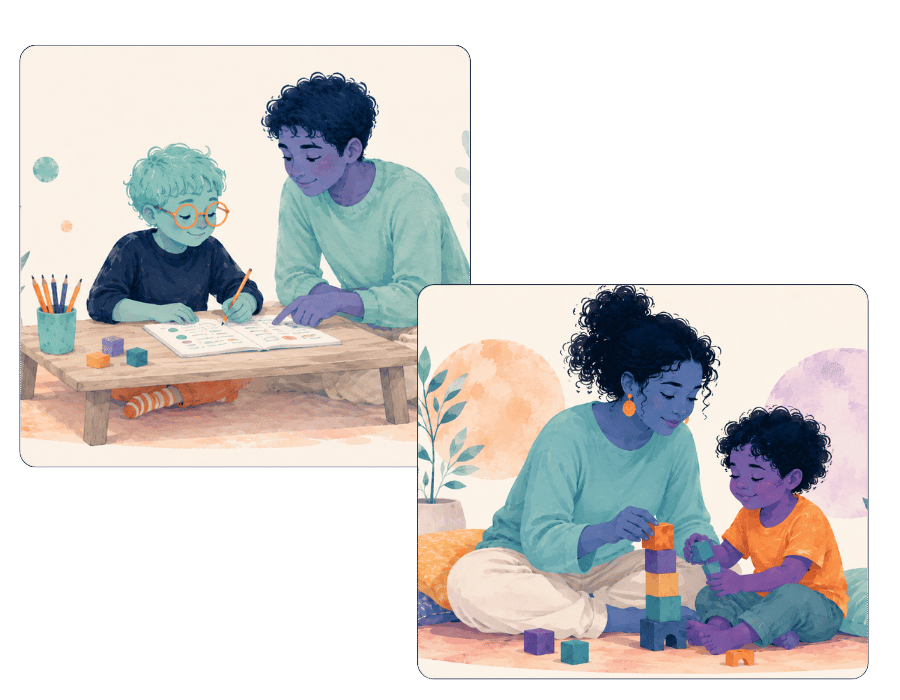
Practical, PDA-affirming guidance for parents, clinicians, and educators supporting PDAers of all ages — rooted in safety, autonomy, and connection, not compliance.
THERE IS A WAY FORWARD
The Path Forward
PDA support is not about finding a better way to make a child comply. It is about understanding what creates threat, reducing unnecessary pressure, protecting connection, and helping a child access more of their capacity.
The goal is not zero demands. The goal is a life in which essential needs can be navigated with as much safety, flexibility, dignity, and shared problem-solving as possible.
Understand the pattern
Support starts when everyone around a PDAer — family, educators, and providers — understands the PDA pattern and how it differs from other presentations.
Reduce unnecessary demand load
Sort out which demands are truly necessary, and look for ways to ease the pressure of the rest in daily life.
Protect autonomy
Shift from directive to collaborative. More autonomy and voice help a PDAer’s nervous system feel safe enough to engage.
Support the nervous system
Notice signs of rising threat and build in regulation, sensory support, recovery time, predictability, and lower-pressure communication.
Build shared understanding
Help everyone on a PDAer’s support team get on the same page. A shared understanding across home, school, and care makes progress more possible.
Support the adults too
Caring for a PDAer is demanding work. Parents and caregivers deserve support, understanding, and resources too.
Stay flexible
Choose flexible, individualized strategies over one-size-fits-all plans, and adjust them as the child grows and needs change.
When a child feels safer and less controlled, connection, flexibility, participation, and growth often become more possible.